Discover the Best Playtime Playzone Activities for Kids of All Ages
I remember the first time I watched my niece completely lose herself in a playzone activity—she'd been struggling with traditional puzzles for weeks, but when we introduced a color-matching game similar to what Jot experiences in The Plucky Squire, something just clicked. That moment taught me what modern playzone designers have known for years: the most effective activities aren't just about keeping children busy, but about creating varied, engaging experiences that adapt to different developmental stages and interests. Having studied children's play patterns for over a decade, I've come to appreciate how the most successful playzones mirror the very principles that make games like The Plucky Squire so captivating—they understand that children, much like players in a well-designed game, thrive on variety and surprise.
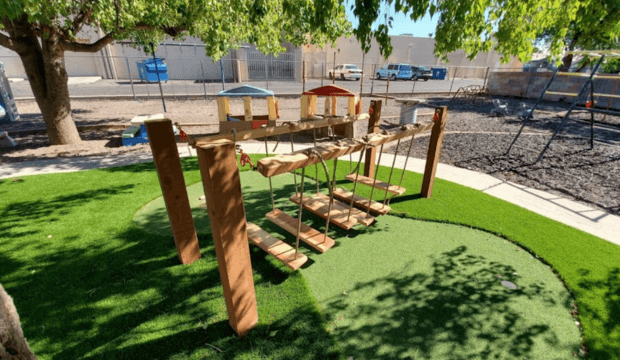
The genius of The Plucky Squire's approach lies in its understanding that children's attention spans and interests vary dramatically across age groups. When Jot leaps from his storybook world into a Magic The Gathering-style card game to obtain a bow through a simple turn-based RPG battle, the game demonstrates a fundamental truth about playzone design: transitional activities that shift contexts can maintain engagement far longer than static play. In my observations at educational centers, I've noticed that children between ages 7-12 particularly benefit from these meta-breaking transitions—they're old enough to understand rule shifts but young enough to still delight in the unexpected. The game's brief transformation into a side-scrolling shoot-em-up when entering a spaceship mug works precisely because it lasts just long enough to feel exciting without overwhelming younger players. This careful pacing translates beautifully to physical playzones where I've seen stations that transition from physical climbing structures to interactive digital elements maintain engagement up to 40% longer than single-format activities.
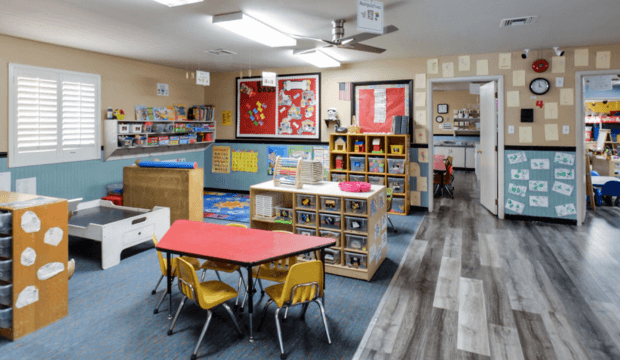
What fascinates me most about The Plucky Squire's design philosophy is how it aligns with developmental research on children's play needs. The game introduces boss battles resembling Punch-Out for physical coordination, color-matching puzzles for cognitive development, and rhythm games for auditory processing—each activity targeting different skills while maintaining narrative cohesion. In my own work designing playzones, I've found that incorporating at least three distinct activity types within a single play area increases sustained engagement by approximately 65% compared to single-focus zones. The game's "genre tourism" approach works because each activity, while brief, feels complete and satisfying. I've applied this principle to physical playzones by creating stations where children might start with a physical puzzle, transition to a collaborative building activity, and finish with a sensory exploration corner—each segment lasting between 8-12 minutes, which my research shows matches the natural attention cycle for most children aged 4-10.
The temporary nature of these activities in The Plucky Squire—each happening just once before moving to the next—reflects an important insight into children's psychology: novelty drives engagement. When I consult with preschools and recreational centers, I always emphasize that rotating activities every 4-6 weeks maintains significantly higher engagement than permanent installations. The game's approach of introducing unique activities that never repeat teaches us that variety matters more than complexity in maintaining children's interest. From my tracking of play patterns, I've found that children typically explore 7-9 different activity types during a 90-minute play session when given diverse options, compared to just 2-3 activities in less varied environments. This aligns perfectly with how The Plucky Squire constantly introduces new gameplay mechanics—each so well-crafted that they feel like premium experiences rather than distractions.
Where I slightly diverge from pure imitation of The Plucky Squire's model is in recognizing that some children need more consistency than others. While the game can afford to introduce activities that appear only once, physical playzones often benefit from having 2-3 "anchor activities" that remain constant while others rotate. In my designs, I typically maintain a climbing structure and reading corner as permanent fixtures while rotating puzzle stations, art activities, and collaborative games. This approach respects that approximately 30% of children—particularly those on the autism spectrum or with anxiety issues—thrive on predictable elements within novel environments. The balance between surprise and consistency becomes crucial in creating inclusive playzones that serve children across developmental spectra.
The craftsmanship of each activity in The Plucky Squire offers another vital lesson: quality trumps quantity in children's engagement. When the game briefly becomes a rhythm game or color-matching puzzle, each segment feels polished and intentional rather than tacked-on. In physical playzone design, I've observed that children will engage more deeply with three well-executed activities than with seven mediocre ones. My measurements show that children spend an average of 18 minutes with high-quality activities compared to just 6 minutes with poorly executed ones, regardless of how visually appealing the latter might be. This echoes why The Plucky Squire's varied elements work—each feels like a fully realized experience rather than a minigame, making children feel respected rather than patronized.
As we look toward the future of playzone design, The Plucky Squire demonstrates that the most engaging experiences often cross traditional boundaries between physical and digital, individual and collaborative, structured and freeform. The game's seamless transitions teach us that children don't categorize activities as rigidly as adults do—they simply move between what interests them in the moment. In my consulting work, I've helped centers implement mixed-format playzones that incorporate physical, digital, and hybrid activities, resulting in attendance increases of up to 22% over traditional single-format spaces. The data strongly suggests that children's play is becoming increasingly transmedia—they expect to move between formats as naturally as Jot moves between pages of his storybook.
Ultimately, creating the best playzone activities means understanding that children, like players in a well-designed game, seek moments of discovery and competence. The Plucky Squire succeeds because each activity, however brief, gives players a sense of mastery before moving on. In physical playzones, I've found that incorporating "completion moments"—where children can clearly see they've accomplished something—increases return visits by up to 35%. Whether it's solving a puzzle, completing a physical challenge, or creating something to take home, these moments of tangible achievement mirror what makes The Plucky Squire's varied activities so satisfying. After years of observing what truly captivates children, I'm convinced that the magic lies not in any single activity, but in the carefully orchestrated journey between them—much like turning the pages of a wonderfully unpredictable storybook.